



How to Train for Mount Kilimanjaro (With a Coach Who’s Climbed It 3 Times)
Climbing Mount Kilimanjaro isn’t technical, but that’s exactly why so many people underestimate it.
At 19,341 feet, Kilimanjaro is a battle of endurance, altitude, and preparation. Every year, thousands attempt the trek. A large percentage don’t make it to the summit, not because they lack determination, but because they weren’t physically or strategically prepared for what the mountain demands.
This is where the right coaching makes all the difference.
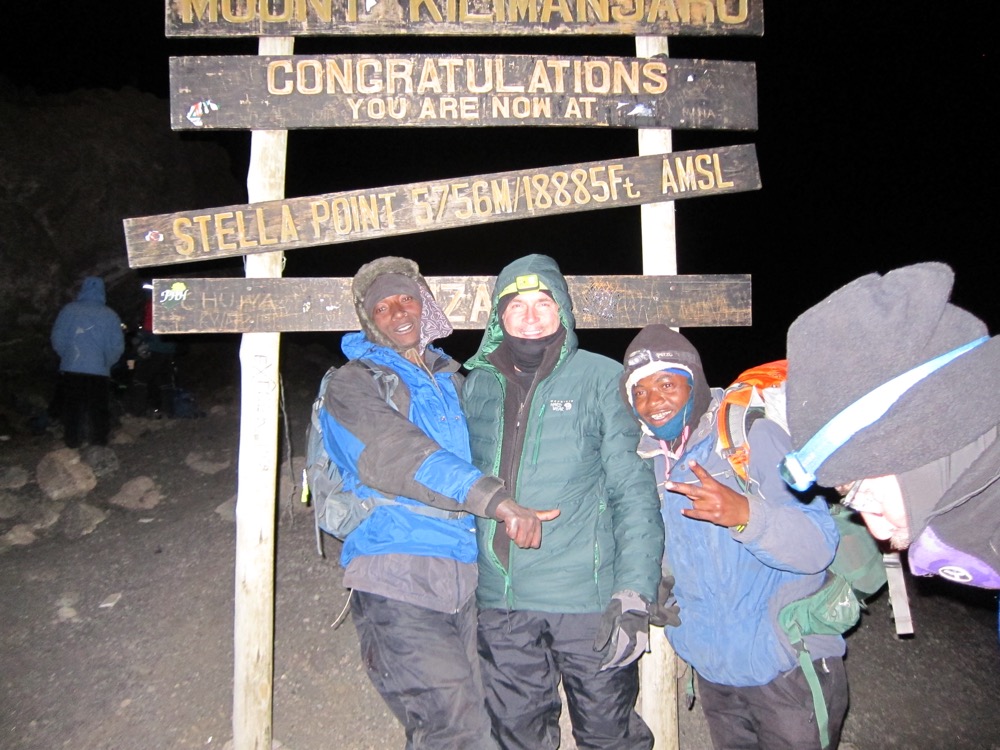
Michael Ellenby has summited Kilimanjaro three separate times, experiencing firsthand how different routes, pacing strategies, and acclimatization approaches impact success. With his background as a NASM Certified Personal Trainer, he helps clients prepare not just to attempt Kilimanjaro, but to complete it.
What Makes Kilimanjaro So Challenging?
Altitude is the Real Obstacle
Most climbers fail due to altitude sickness, not fatigue. Your body must adapt to decreasing oxygen levels, and without proper preparation, symptoms like headaches, nausea, and exhaustion can end your climb quickly.
Long, Consecutive Days of Hiking
You’ll be hiking for 5–9 days, often for 6–10 hours per day. This requires muscular endurance, joint resilience, and cardiovascular efficiency.
Mental Fatigue
Summit day alone can take 12–16 hours. Cold, darkness, and exhaustion push most people to their limits.
The Biggest Mistakes People Make Training for Kilimanjaro
Relying Only on Cardio
Running or using a treadmill isn’t enough. Kilimanjaro demands loaded hiking, elevation gain training, and stability work.
Ignoring Altitude Preparation
Even if you can’t train at altitude, you can train your body to perform better under stress and fatigue, something most people overlook.
No Structured Plan
Generic fitness routines don’t translate to mountain performance. Training needs to be specific, progressive, and tailored.
Why Work With a Kilimanjaro Coach?
Training for Kilimanjaro isn’t just about getting in shape; it’s about preparing for a very specific environment.
Michael Ellenby works with clients globally through structured, remote coaching programs designed for real-world performance.
- Build endurance for multi-day trekking
- Strengthen joints and stabilize muscles
- Prepare for altitude stress
- Customize training to your current fitness level
Having climbed Kilimanjaro three times himself, Michael understands how preparation translates directly to success on the mountain.
A Smarter Way to Prepare for Kilimanjaro
No two climbers are the same. A structured coaching program ensures your training matches your climb timeline, fitness level, and physical limitations.
This isn’t about guessing; it’s about executing a plan built for the mountain.
Train for Kilimanjaro the Right Way
If you’re serious about reaching the summit, preparation isn’t optional , it’s the deciding factor.
Work directly with a coach who has climbed Kilimanjaro multiple times.
FAQ – Kilimanjaro Training
How long should I train for Kilimanjaro?
Most people should train for at least 8–16 weeks depending on their current fitness level.
Do I need prior hiking experience?
No, but it helps. With proper coaching, beginners can successfully complete Kilimanjaro.
Is Kilimanjaro harder than it looks?
Yes. The altitude and endurance required make it more difficult than most expect.
Can I train for Kilimanjaro without mountains nearby?
Yes. Training can be done using incline treadmills, stairs, and structured strength programs.
What is the success rate for Kilimanjaro?
Success rates typically range from 60% to 85% depending on preparation and route.